How to Budget for a Home Purchase: A Complete Guide
Learn exactly how to budget for buying a home in 2026. Includes down payment strategies, savings timelines, and a step-by-step financial plan.
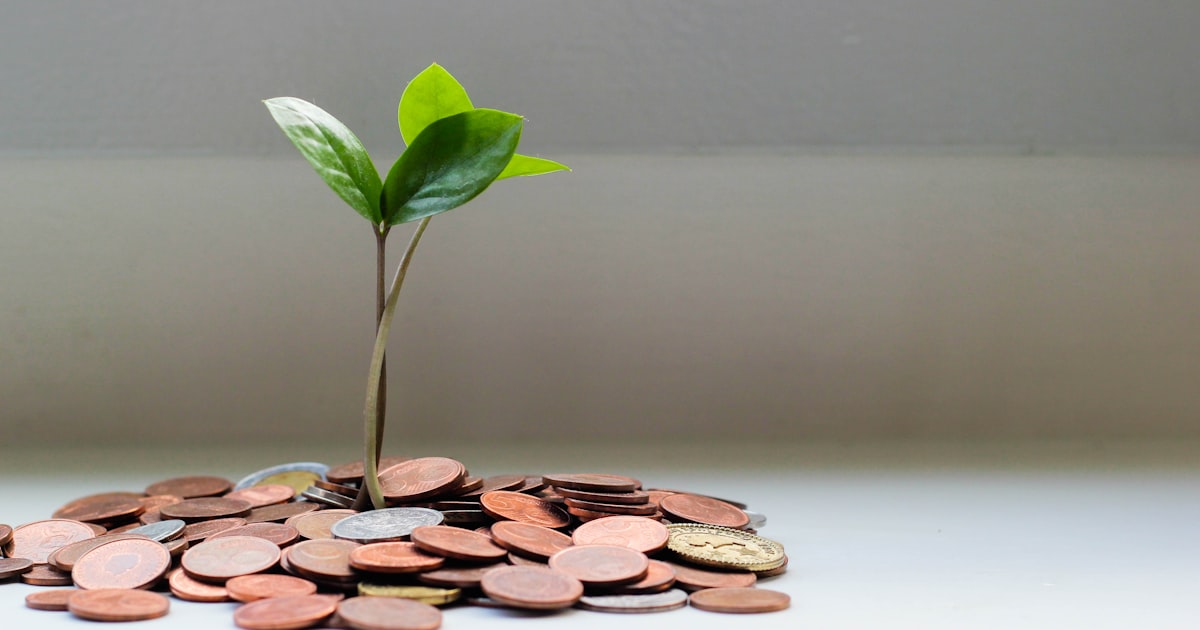
Buying a home is the biggest financial decision most people make, yet many jump in without a clear budget. If you're wondering how to budget for a home purchase, this guide breaks down exactly what you need to save, how long it takes, and the strategies that actually work.
The Real Cost of Buying a Home
The purchase price is just the beginning. To budget accurately, you need to account for all upfront costs:
Down Payment
Contrary to popular belief, you don't need 20% down. Here's what different loan types actually require:
- Conventional loans: 3-5% minimum
- FHA loans: 3.5% with credit score 580+
- VA loans: 0% for eligible veterans
- USDA loans: 0% in eligible rural areas
In 2024, the median down payment in the U.S. was $67,500 — the highest in 13 years. First-time buyers averaged 8%, while repeat buyers put down 19%.
For a $400,000 home:
- 3% down = $12,000
- 10% down = $40,000
- 20% down = $80,000
Closing Costs
Budget 2-5% of the loan amount for closing costs. On a $380,000 loan (after 5% down on a $400K home), that's $7,600-$19,000.
Closing costs include:
- Loan origination fees
- Appraisal and inspection
- Title insurance
- Attorney fees
- Prepaid taxes and insurance
Moving and Immediate Repairs
Don't forget:
- Moving costs: $1,000-$5,000
- Immediate repairs/updates: $2,000-$10,000
- New furniture and appliances: varies widely
Total upfront budget for a $400,000 home: $25,000-$115,000 depending on down payment size.
How Long Does It Take to Save?
At the national average savings rate, it takes about 7 years to save a typical down payment — down from 12 years in 2022, thanks to wage growth outpacing home prices in some markets.
But you can accelerate this significantly with intentional budgeting.
The 50/30/20 Budget for Future Homeowners
Start with a modified version of the classic budget:
- 50% Needs: Rent, utilities, groceries, minimum debt payments
- 30% Wants: Entertainment, dining out, subscriptions
- 20% Savings: Split between emergency fund and down payment
Once your emergency fund has 3-6 months of expenses, redirect that entire 20% to your down payment fund.
Sample Savings Timeline
Here's how fast you could save $40,000 (10% on a $400K home):
| Monthly Savings | Time to $40,000 |
|---|---|
| $500 | 6.5 years |
| $1,000 | 3.3 years |
| $1,500 | 2.2 years |
| $2,000 | 1.7 years |
Where Does Down Payment Money Come From?
According to recent data, buyers fund their down payments from:
- Savings: 49% of all buyers
- Sale of previous home: 32% (repeat buyers)
- Gift from family: 20% (common for ages 25-33)
- Stocks/investments: 8%
- 401(k) loan: 5%
- Inheritance: 4%
If you have family help available, a gift can dramatically accelerate your timeline. Just document it properly — lenders require a gift letter confirming it's not a loan.
Step-by-Step Home Purchase Budget
Here's how to build your budget from scratch:
Step 1: Determine Your Target Purchase Price
A common guideline: aim for a home 2.5-3x your annual household income. With a $100,000 income, that's $250,000-$300,000.
But guidelines don't account for your specific situation. Use our rent vs buy calculator to see what monthly payment you can actually afford based on your full financial picture.
Step 2: Calculate Your Savings Target
Add up:
- Down payment (choose 3-20% based on your timeline)
- Closing costs (3% of purchase price)
- Emergency fund buffer ($5,000-10,000 post-purchase)
For a $350,000 home with 10% down:
- Down payment: $35,000
- Closing costs: $10,500
- Buffer: $7,500
- Total target: $53,000
Step 3: Open a Dedicated Savings Account
Keep your house fund separate from everyday banking. A high-yield savings account (currently paying 4-5% APY) lets your money grow while staying accessible.
Automate transfers on payday — you can't spend what you never see.
Step 4: Track Monthly Housing Costs Now
Here's a powerful exercise: calculate what your future mortgage payment would be, then "practice" paying it now.
If your target monthly payment is $2,500 and your current rent is $1,800, save the $700 difference each month. This:
- Accelerates your down payment savings
- Proves you can handle the higher payment
- Builds the habit before you're committed
Step 5: Reduce Debt Before Buying
Your debt-to-income ratio (DTI) directly affects how much you can borrow. Most lenders want total DTI under 43%.
Prioritize paying off:
- High-interest credit cards
- Car loans (especially if payoff is within 2 years)
- Personal loans
Student loans are trickier — the monthly payment matters more than the balance. Income-driven repayment plans can lower your DTI.
Hidden Costs to Budget For
First-time buyers are often surprised by ongoing costs beyond the mortgage:
Property Taxes
Typically 0.5-2.5% of home value annually. On a $400,000 home, that's $2,000-$10,000/year ($165-$830/month).
Homeowner's Insurance
National average is about $1,900/year, but varies dramatically by location. Florida averages $4,200/year; coastal California can exceed $5,000.
Maintenance
Budget 1-2% of home value annually for upkeep. For a $400,000 home: $4,000-$8,000/year.
This covers:
- HVAC servicing and replacement
- Roof repairs
- Appliance replacements
- Plumbing and electrical issues
PMI (If Putting Less Than 20% Down)
Private mortgage insurance typically costs 0.5-1% of the loan annually. On a $380,000 loan: $1,900-$3,800/year until you reach 20% equity.
Should You Buy or Keep Renting?
Here's the honest truth: buying isn't always better than renting, even if you can afford it.
Buying makes more sense when:
- You'll stay 5+ years (to recover transaction costs)
- The price-to-rent ratio is under 20 in your area
- You want stability and customization
- You're ready for maintenance responsibility
Renting makes more sense when:
- You might move within 3-5 years
- You're in an expensive market (SF, NYC, LA)
- You'd rather invest the down payment in stocks
- You value flexibility over ownership
Run your specific numbers with our rent vs buy calculator — it factors in opportunity cost, tax benefits, and long-term wealth building.
The Bottom Line
Budgeting for a home purchase comes down to:
- Know your total upfront cost — down payment + closing costs + buffer
- Save aggressively — automate 20%+ of income to a dedicated account
- Practice the payment — save the difference between rent and your future mortgage
- Don't forget ongoing costs — taxes, insurance, and maintenance add 1-3% of home value annually
- Run the numbers — use a calculator to compare buying vs. renting for your situation
The median homebuyer now saves for 7 years. With intentional budgeting, you can cut that timeline significantly — or decide that renting and investing makes more sense for you. Either way, knowing your numbers puts you in control.
Ready to run your numbers? Use our rent vs. buy calculator to see exactly when buying beats renting for your specific situation. For a deeper dive, check out our complete guide to rent vs buy.
We're software engineers and personal finance enthusiasts who built this calculator because we were frustrated with biased tools online. Our mission: help you make smarter housing decisions with transparent math, not sales pitches.
Learn more about us →Run Your Own Numbers
See exactly when buying beats renting for your specific situation.
Use the CalculatorContinue Reading
How Much House Can I Afford? 2026 Affordability Guide
Use the 28/36 rule and real 2026 data to calculate how much house you can actually afford. Avoid becoming house poor with this guide.
7 First-Time Homebuyer Mistakes That Cost Thousands
Learn from others' expensive lessons. These common mistakes can cost you $10,000 or more.
The Hidden Costs of Homeownership Nobody Talks About
Beyond the mortgage payment, here are the real costs that catch first-time buyers off guard.